
What Is Mini Piling and When Is It Required?
What is mini piling and when is it required? In this guide, we explain how mini piling provides reliable foundation support for projects affected by poor ground conditions, restricted access, subsidence concerns and challenging site constraints. Learn when structural engineers recommend mini piling and how it can support residential, commercial and industrial developments.
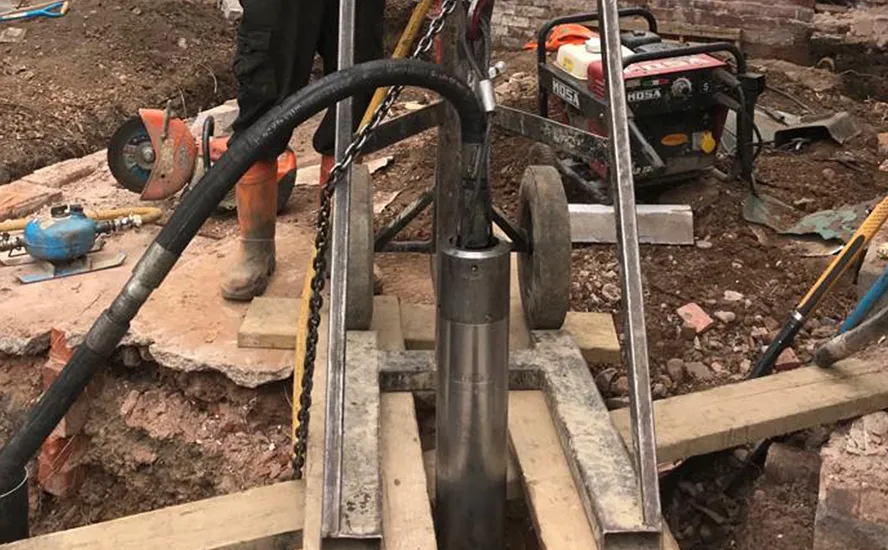
Mini piling is a specialist foundation technique used when traditional foundations are unsuitable due to poor ground conditions, restricted access, weak soils or increased structural loading requirements. By installing small diameter piles deep into stable load-bearing strata, mini piling provides reliable support for residential, commercial and industrial developments.
Whether you are planning a house extension, constructing a new build property or developing a commercial site, understanding when mini piling may be required can help ensure your project is built on strong and dependable foundations.
What Is Mini Piling?
Mini piling is a form of deep foundation construction designed to transfer structural loads through weak or unstable ground and into stronger bearing strata located deeper below the surface. Unlike traditional strip foundations, which rely on shallow excavation, mini piling creates a foundation system capable of supporting structures where ground conditions present engineering challenges.
The process involves installing piles into the ground using specialist piling equipment before connecting them with reinforced concrete ground beams or foundation systems. The resulting foundation is designed to provide long-term stability and structural performance.
Mini piling is commonly used for house extensions, new build homes, commercial developments, industrial facilities and projects located on difficult or restricted sites.
Why Is Mini Piling Used?
Mini piling is typically used when traditional foundations are unlikely to provide sufficient support for the proposed structure.
Ground conditions can vary significantly from one site to another, and factors such as clay soils, made ground, loose fill materials, groundwater and historic land disturbance can all affect foundation performance. In these situations, mini piling provides a practical alternative that allows structural loads to be transferred safely to stronger ground below.
Mini piling is also frequently used where access restrictions prevent larger piling rigs from operating effectively. The compact equipment used during installation makes it possible to work in confined spaces, rear gardens, urban developments and sites surrounded by existing buildings.
When Is Mini Piling Required?
Mini piling may be required whenever site investigations identify ground conditions that make conventional foundations unsuitable.
Poor Ground Conditions
One of the most common reasons for mini piling is poor ground conditions. Weak soils, made ground and unstable strata can reduce the effectiveness of traditional foundations and increase the risk of settlement.
By transferring loads to deeper bearing strata, mini piling helps provide a more stable and reliable foundation solution.
House Extensions
Many house extensions require specialist foundation systems due to ground conditions, nearby trees or increased structural loading. Structural engineers often specify mini piling where traditional trench foundations may not provide adequate support.
Mini piling is particularly beneficial for rear extensions and projects where access is limited.
New Build Homes
New build developments frequently encounter varying ground conditions that require deeper foundation solutions. Mini piling can provide the load-bearing capacity needed to support modern residential construction while accommodating site-specific challenges.
Commercial Developments
Commercial and industrial projects often require foundations capable of supporting significant structural loads. Mini piling provides a versatile solution that can be tailored to the specific requirements of offices, retail units, healthcare facilities, industrial buildings and mixed-use developments.
Subsidence and Ground Movement
Where sites are affected by subsidence concerns or ground movement, mini piling may be used to improve foundation stability. This is particularly common in areas with shrinkable clay soils or where historic ground disturbance has occurred.
What Types of Mini Piling Are Available?
Several different mini piling methods are available, each designed to suit specific ground conditions and project requirements.
Steel Cased Driven Piling
Steel cased driven piling involves driving steel casings into the ground before reinforcing and concreting the pile. This method is particularly effective in challenging ground conditions and projects requiring enhanced load-bearing capacity.
Open Bore Piling
Open bore piling uses a rotating auger to drill into the ground before reinforcement and concrete are installed. This technique is commonly used in cohesive soils where the bore can remain stable during installation.
Sectional Flight Auger Piling
Sectional flight auger piling, often referred to as SFA piling, uses sectional augers to create the pile bore. The method provides an efficient, low-vibration foundation solution suitable for a variety of development types.
What Are the Benefits of Mini Piling?
Mini piling offers a range of advantages for construction projects.
Reliable Foundation Performance
Mini piles transfer structural loads to stronger ground beneath the surface, helping to create stable and dependable foundations.
Suitable for Restricted Access
The compact nature of mini piling equipment allows installation to take place in locations where larger piling rigs cannot operate effectively.
Adaptable to Different Ground Conditions
Mini piling can be used across a wide range of soil types and site conditions, making it one of the most versatile foundation solutions available.
Reduced Risk of Settlement
By supporting structures on deeper bearing strata, mini piling can help reduce the risk of future settlement and structural movement.
How Do Engineers Determine if Mini Piling Is Needed?
The decision to use mini piling is normally based on site investigations and structural calculations.
Ground investigations help identify soil types, groundwater conditions and bearing capacities. Structural engineers then assess the proposed building loads and determine the most appropriate foundation design.
Where traditional foundations are unlikely to provide adequate support, mini piling is often recommended as the safest and most reliable solution.
Choosing the Right Mini Piling Contractor
Selecting the correct piling method is critical to the long-term performance of any foundation system. An experienced piling contractor will assess ground conditions, site access, structural requirements and project objectives before recommending the most suitable solution.
Working with a specialist contractor helps ensure the foundation system is designed and installed correctly while meeting the technical requirements of the project.
Is Mini Piling the Right Foundation Solution for Your Project?
Mini piling remains one of the most effective foundation solutions for projects affected by poor ground conditions, restricted access, subsidence concerns or increased structural loading requirements. Its versatility allows it to be used across residential, commercial and industrial developments, providing reliable support where traditional foundations may be unsuitable.
Every site presents its own challenges, which is why foundation design should always be based on site-specific ground conditions, structural requirements and engineering recommendations. By understanding how mini piling works and when it is typically specified, property owners, developers and contractors can make more informed decisions when planning construction projects.
Whether you're building a house extension, developing a new property or delivering a larger commercial scheme, choosing the correct foundation system is one of the most important decisions you will make. Mini piling continues to be a proven and dependable solution for supporting structures safely and effectively across a wide range of construction environments.