
What Ground Conditions Require Piling?
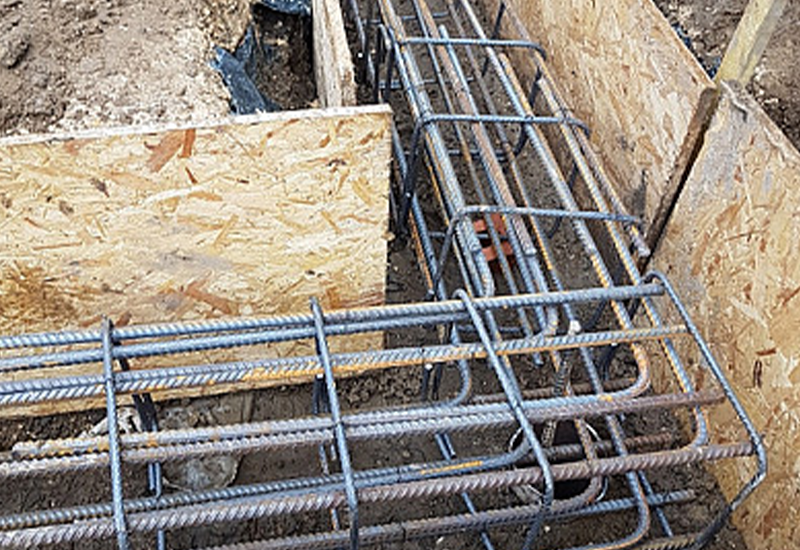
Piling is typically required when ground conditions are unable to support traditional foundations safely and effectively. Weak soils, made ground, clay soils, groundwater and variable bearing strata can all create challenges for foundation design, leading structural engineers to recommend piling as a more reliable solution.
Every construction project relies on stable foundations. Whether you are building a house extension, constructing a new home or developing a large commercial site, understanding how ground conditions affect foundation performance is essential. The better the understanding of the ground beneath a development, the easier it becomes to select the most appropriate foundation system for long-term structural stability.
Why Ground Conditions Matter in Foundation Design
Foundations are responsible for transferring the weight of a structure safely into the ground. For this to happen successfully, the soil beneath the building must have sufficient bearing capacity to support the loads being applied.
Problems arise when the ground cannot provide adequate support. Weak or unstable soils can lead to excessive settlement, structural movement and, in severe cases, damage to the building itself. This is why ground conditions play such a critical role in foundation design.
Before construction begins, structural engineers and geotechnical specialists assess site conditions to determine how the proposed structure will interact with the ground. If investigations reveal unsuitable conditions, piling may be recommended to transfer loads into stronger bearing strata located deeper below the surface.
Common Ground Conditions That Require Piling
Not every site requires piling, but certain ground conditions frequently lead engineers to specify deeper foundation solutions.
Clay Soils
Clay soils are among the most common reasons piling is required across many parts of the UK. Clay expands when it absorbs moisture and contracts during dry periods, causing seasonal ground movement that can affect foundation performance.
The presence of trees can further increase the risk of movement, as root systems remove moisture from the soil and contribute to shrinkage. In these situations, piling is often used to transfer structural loads beyond the active clay zone and into more stable ground.
Made Ground
Made ground refers to land that has been artificially altered or filled using imported materials. This can include historic demolition waste, construction debris, ash, rubble and other fill materials deposited over many years.
Because made ground is often inconsistent in composition and density, it can create uncertainty when designing traditional foundations. Piling provides a dependable alternative by bypassing the made ground layer and transferring loads to stronger strata below.
Weak or Loose Soils
Loose sands, silts and other weak soils may lack the bearing capacity required to support a building safely. Traditional foundations constructed within these materials can be vulnerable to settlement and movement over time.
Piling helps overcome this issue by extending foundations deeper into the ground until suitable load-bearing strata are reached.
High Groundwater Levels
Groundwater can present significant challenges during foundation construction. High water tables may complicate excavation works, affect soil stability and influence foundation design requirements.
Depending on the site conditions, piling may provide a more practical and reliable solution than traditional foundation systems.
Variable Ground Conditions
Some sites contain multiple soil types across relatively small areas. One section of a development may be supported by competent ground while another is affected by weaker materials.
This variation can create differential settlement risks if conventional foundations are used. Piling allows loads to be transferred consistently to suitable bearing strata, helping to improve long-term foundation performance.
How Engineers Assess Ground Conditions
The decision to use piling is rarely based on visual inspection alone. Instead, structural engineers rely on site investigations and geotechnical information to understand the characteristics of the ground beneath a proposed development.
Ground investigations may include trial pits, boreholes, soil sampling and laboratory testing. These investigations provide valuable information about soil types, groundwater levels, bearing capacities and potential geotechnical risks.
The findings are then used alongside structural calculations to determine the most appropriate foundation solution for the project. This process helps ensure the foundation design reflects the actual conditions encountered on site rather than assumptions about the ground.
Choosing the Right Piling Method
Not all piling systems are suitable for every site. Once ground conditions have been assessed, engineers and piling specialists can determine which foundation solution is most appropriate.
Mini piling is often used where access is restricted or where residential developments require a compact foundation solution. Steel cased piling may be selected for challenging ground conditions or projects requiring significant load-bearing capacity.
Open bore piling can provide an economical solution where cohesive soils allow stable bore construction, while sectional flight auger piling is frequently chosen where low vibration installation is beneficial.
The most suitable option will always depend on the specific site conditions, structural requirements and project objectives.
Can Ground Conditions Affect Existing Buildings?
Ground conditions do not only influence new developments. Existing buildings can also be affected by changing soil conditions, particularly where clay soils, groundwater fluctuations or historic land disturbance are involved.
Subsidence is one example of how ground movement can impact structures. As soils expand, contract or settle over time, foundations may experience movement that affects the building above.
Understanding the underlying ground conditions is often the first step in identifying the cause of structural issues and determining the most appropriate remedial solution.
Understanding Your Site Before Construction Begins
Every successful foundation design starts with a clear understanding of the ground beneath the site. While many developments can be supported using traditional foundations, others require specialist solutions to overcome challenging conditions and ensure long-term structural performance.
Clay soils, made ground, weak strata, groundwater and variable site conditions can all influence foundation requirements. By carrying out proper site investigations and working with experienced structural engineers and piling specialists, developers and property owners can select the most appropriate foundation solution for their project and build with confidence from the ground up.