Retaining Wall Solutions Across the UK
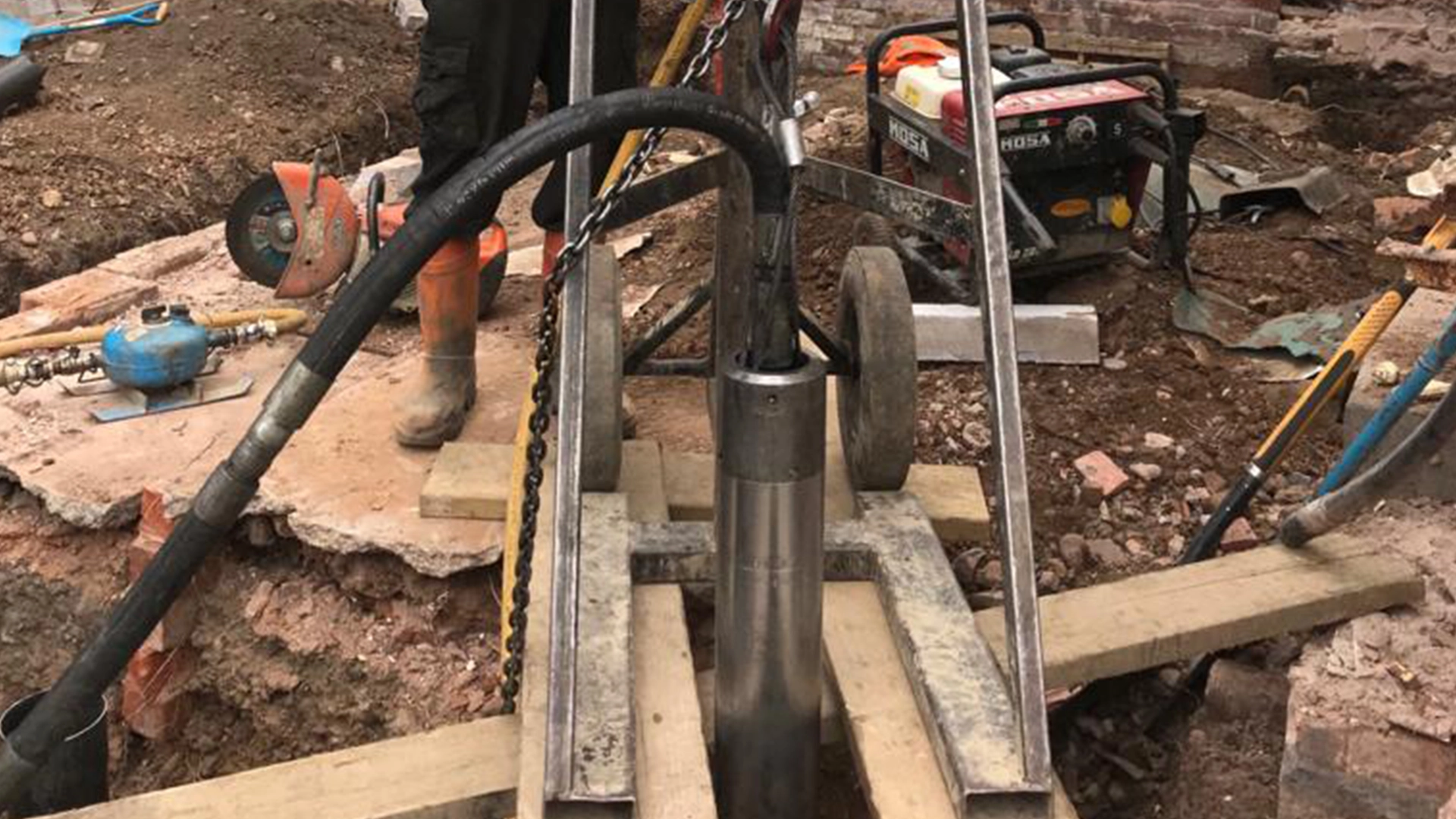
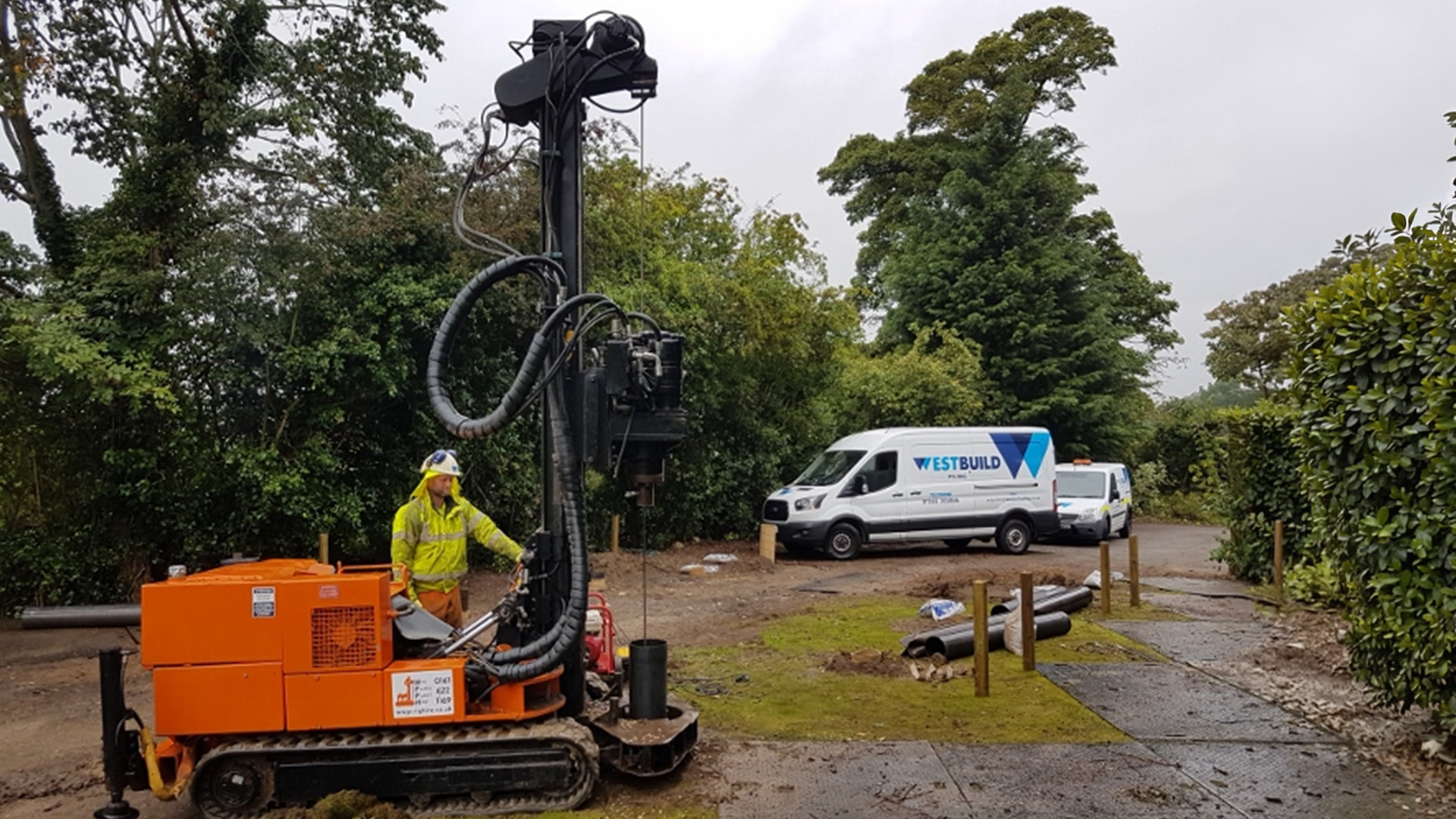
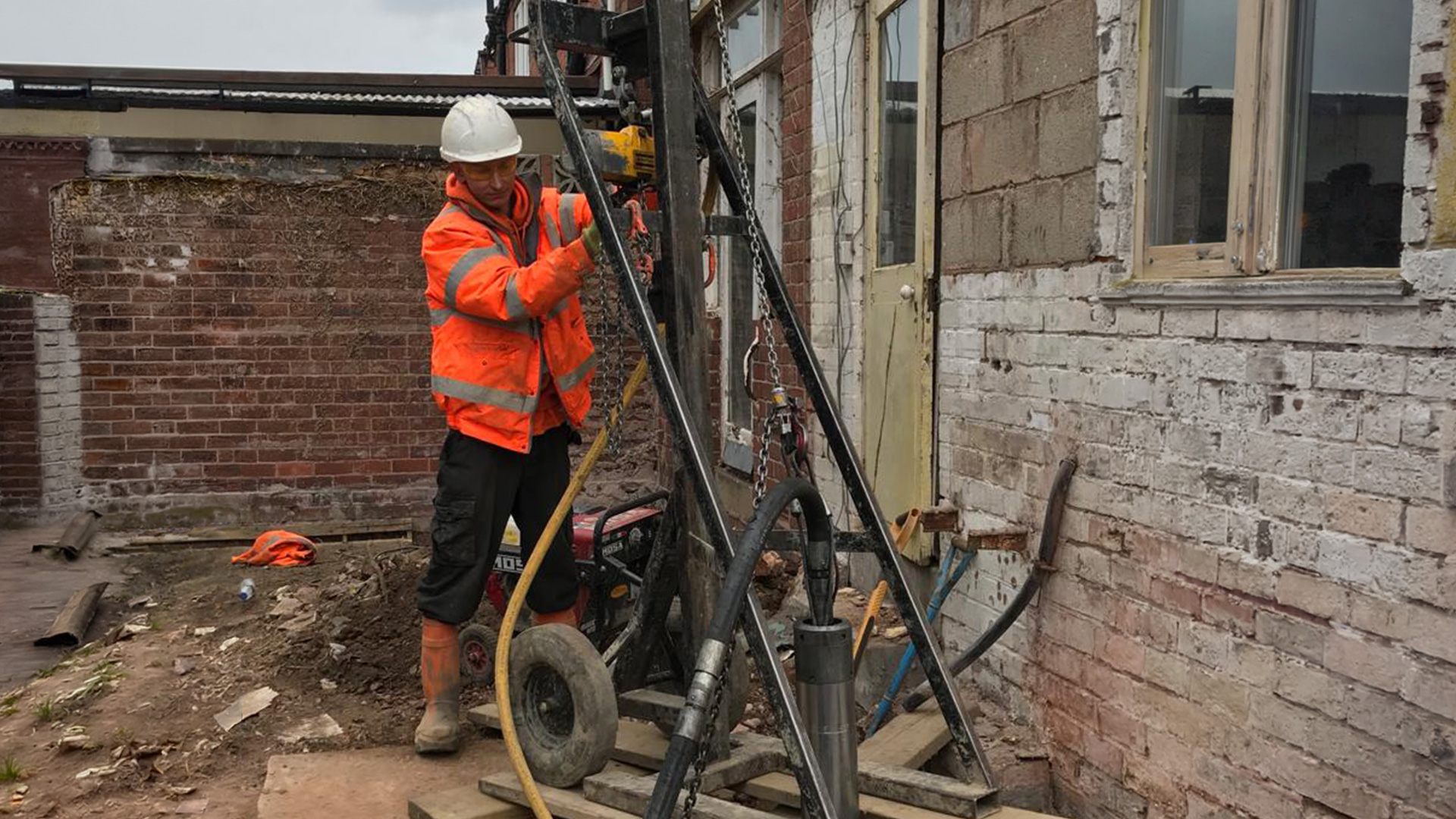
Westbuild Piling provides specialist retaining wall solutions for residential, commercial and industrial projects throughout the UK. With more than 45 years of combined industry experience, we work alongside homeowners, developers, contractors, structural engineers and construction professionals to deliver reliable ground retention systems tailored to the specific requirements of each site.
Retaining walls play a vital role in construction and ground engineering projects, providing structural support where soil needs to be retained safely. Whether supporting excavation works, managing changes in ground levels or creating usable development areas, retaining wall systems provide stability, structural integrity and long-term performance across a wide range of applications.
From residential developments and house extensions to large-scale commercial and industrial projects, our experienced team can design and construct retaining wall systems that meet the structural and environmental demands of each site while helping to maximise usable space and maintain ground stability.
What Are Retaining Walls?
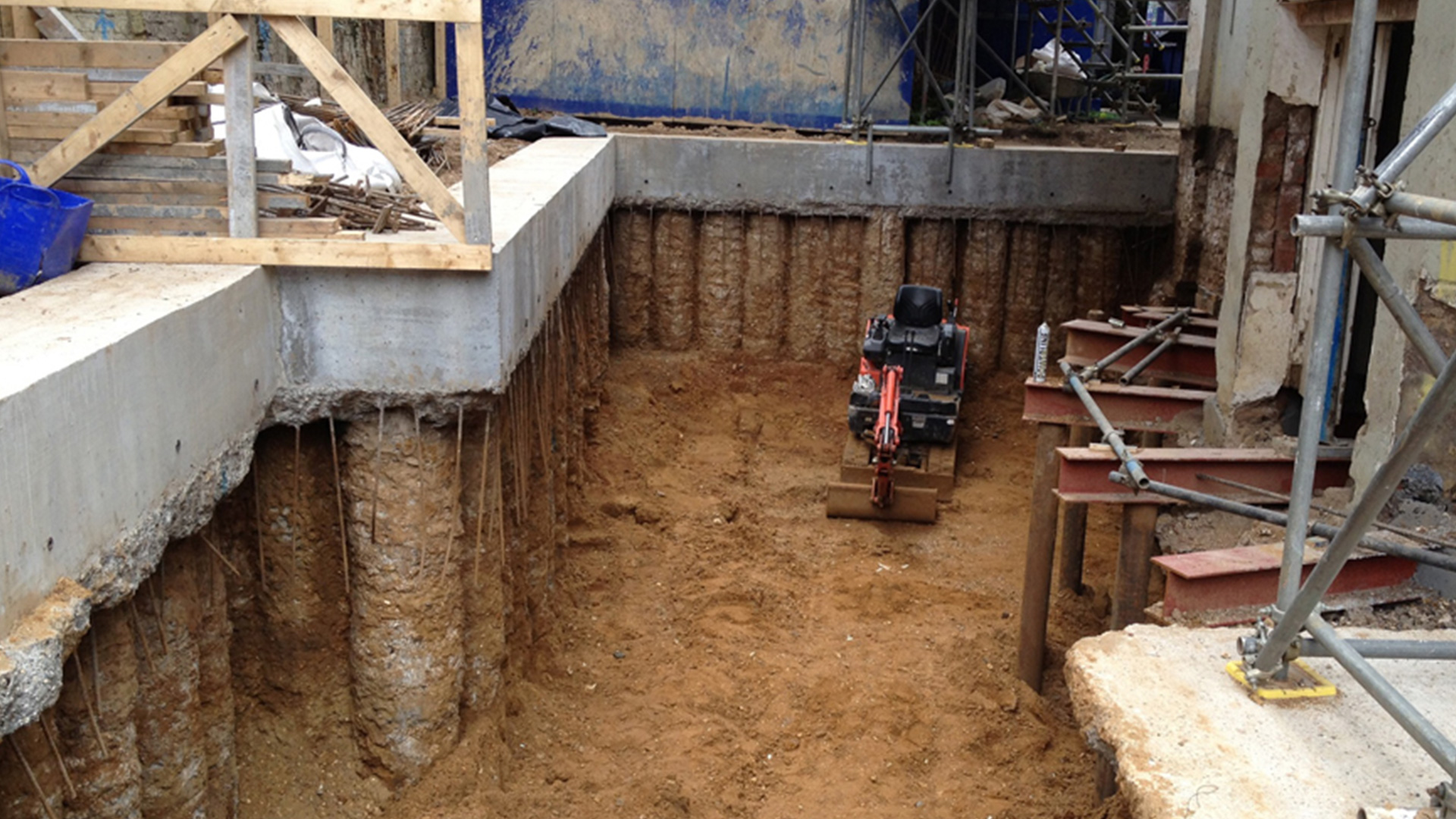
Retaining walls are structural elements designed to hold back soil and resist lateral ground pressure where changes in ground levels occur. They are commonly used to support excavations, stabilise sloping ground, create level building platforms and protect surrounding structures from ground movement.
Constructed from reinforced concrete or other engineered materials, retaining walls are designed to withstand significant loads while maintaining long-term stability. The specific design of a retaining wall will depend on factors including ground conditions, retained height, drainage requirements and structural loading.
Retaining walls are widely used within residential developments, commercial construction projects, infrastructure works and industrial sites where ground retention is required.
Benefits of Retaining Walls
Retaining walls provide several important benefits within construction and development projects. Their primary function is to safely retain soil, allowing excavation and construction activities to take place while reducing the risk of ground movement or instability.
They also help maximise the usable space available on a site by accommodating changes in ground levels and creating stable platforms for construction. In many cases, retaining walls allow developments to proceed on sites that would otherwise present significant engineering challenges.
When properly designed and constructed, retaining walls provide long-term structural performance while helping to protect adjacent structures, infrastructure and landscaped areas from soil movement and erosion.
When Are Retaining Walls Required?
Retaining walls are commonly required where excavation works create changes in ground levels that need structural support. They are frequently used on sloping sites, basement developments, infrastructure projects and commercial developments where ground retention is necessary to facilitate construction.
Structural engineers may also specify retaining walls where developments are located close to neighbouring land, existing structures or public infrastructure. In these situations, retaining walls help manage ground pressure and provide stability throughout the life of the development.
Retaining walls are often incorporated into wider foundation and ground engineering strategies to support safe and efficient site development.
Retaining Walls for Residential Projects
Retaining walls are widely used within residential developments and can provide an effective solution for sloping gardens, house extensions, new build homes and structural landscaping projects. By retaining soil safely, retaining walls help create level areas suitable for construction while improving the usability of outdoor spaces.
Many residential developments encounter ground level changes that require specialist engineering solutions. Retaining walls provide a practical and durable method of managing these challenges while supporting long-term structural stability.
Westbuild Piling works closely with homeowners, builders and structural engineers to deliver retaining wall systems tailored to the specific requirements of each project.
Retaining Walls for Commercial Developments
Commercial and industrial projects often require retaining wall systems capable of supporting significant loads while accommodating complex site conditions. Retaining walls are commonly used on commercial developments, industrial facilities, infrastructure projects, healthcare buildings, educational establishments and mixed-use schemes.
Our experienced team works alongside contractors, consultants and structural engineers to ensure retaining wall systems are designed and constructed in accordance with project specifications, site constraints and structural requirements.
By combining technical expertise with practical site experience, we help clients achieve safe, reliable and durable ground retention solutions.
Retaining Walls for Excavation and Ground Retention
One of the most common applications for retaining walls is supporting excavation and ground retention works. Construction projects often require soil to be retained safely during and after excavation, particularly where developments are located on sloping ground or in confined environments.
Retaining wall systems help resist lateral soil pressures while maintaining stability around excavated areas. This allows construction activities to proceed safely while protecting adjacent structures, utilities and infrastructure.
By carefully assessing site conditions, structural loading and ground characteristics, Westbuild Piling can design and construct retaining wall solutions tailored to the specific requirements of each project.
Why Choose Westbuild Piling?
With more than 15 years of industry experience, Westbuild Piling has established a strong reputation for delivering reliable piling, foundation and ground engineering solutions across the UK. Our expertise spans piling systems, reinforced concrete ground beams and retaining wall construction, allowing us to provide integrated solutions for complex construction projects.
From domestic extensions and residential developments to large-scale commercial and industrial projects, we are committed to delivering quality workmanship, technical expertise and outstanding customer service. By combining engineering knowledge with practical construction experience, we provide retaining wall solutions designed to deliver long-term stability, safety and performance.